
Invest in Ev vehicle and become the owner
Electric vehicles (EVs) produce zero tailpipe emissions, helping reduce air
pollution and combat climate change. They are cost-effective in the long run due to lower fuel
and maintenance costs. EVs offer a quieter, smoother driving experience and support energy
independence by reducing reliance on fossil fuels.
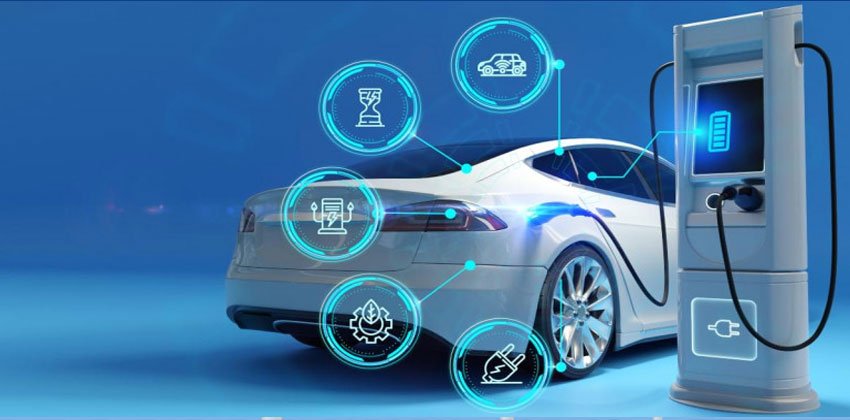
KEY COMPONENTS :
- Traction Battery Pack: Stores electrical energy to power the vehicle.
- Electric Motor: Converts electrical energy into mechanical energy to drive the
wheels.
- Power Electronics Controller: Manages the flow of electrical energy and controls
the motor's speed and torque.
- Inverter: Converts the battery's DC (Direct Current) power into AC (Alternating
Current) power for the electric motor.
- Onboard Charger: Converts incoming AC electricity from the grid to DC power to
charge the battery.
- Charging Port: Where the charging cable connects to the vehicle.
How it Works
Charging: You plug the EV into a charging station, which supplies electricity
through the charging port to the onboard charger. The onboard charger converts the
AC power to DC power to store in the traction battery pack.
Driving: When the accelerator is pressed, the controller signals the inverter to
take power from the battery.
Motor Power: The inverter converts the battery's DC power to AC power and
sends it to the electric motor.
Mechanical Motion: The motor's rotation provides mechanical energy to turn the
vehicle's wheels.
Regenerative Braking: When you decelerate or press the brake, the motor acts as
an alternator, producing electricity and sending it back to the battery, which
helps to recharge it.