At SIM Solar Energy, we specialize in delivering sustainable, cost-effective solar solutions for homes, businesses, and industries. Committed to quality and innovation, we help you harness the power of the sun for a greener, cleaner future.
At SIM Solar Energy, we specialize in delivering sustainable, cost-effective solar solutions for homes, businesses, and industries. Committed to quality and innovation, we help you harness the power of the sun for a greener, cleaner future.
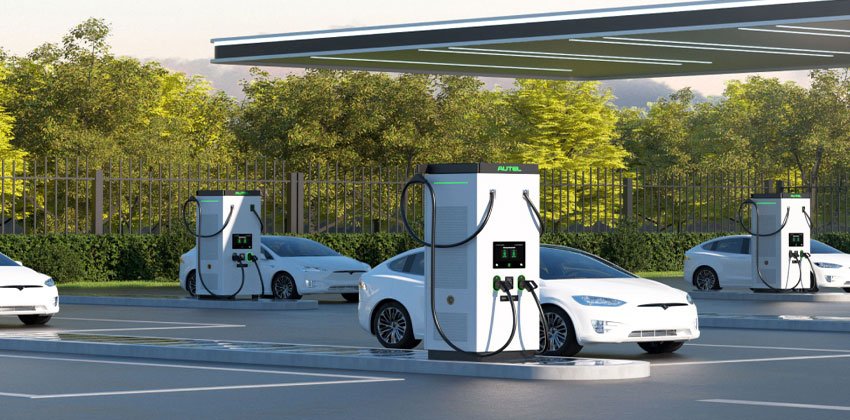
EV chargers enable convenient and efficient charging of electric vehicles at home or public locations, reducing downtime. They support the growth of sustainable transportation by making EV use more practical. Smart chargers can optimize energy use and lower electricity costs. Widespread EV charging infrastructure also boosts EV adoption and reduces carbon emissions.