At SIM Solar Energy, we specialize in delivering sustainable, cost-effective solar solutions for homes, businesses, and industries. Committed to quality and innovation, we help you harness the power of the sun for a greener, cleaner future.
At SIM Solar Energy, we specialize in delivering sustainable, cost-effective solar solutions for homes, businesses, and industries. Committed to quality and innovation, we help you harness the power of the sun for a greener, cleaner future.
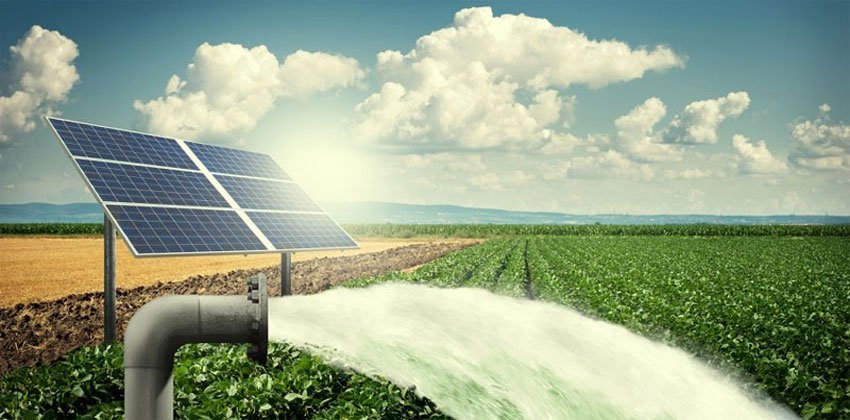
A solar water pump uses solar energy to operate, eliminating the need for electricity or diesel, which reduces operational costs. It's especially useful in remote or off-grid areas where conventional power is unavailable. These pumps are eco-friendly, low-maintenance, and ideal for irrigation, livestock watering, and rural water supply. They provide a reliable and sustainable solution for agricultural and domestic water needs.